
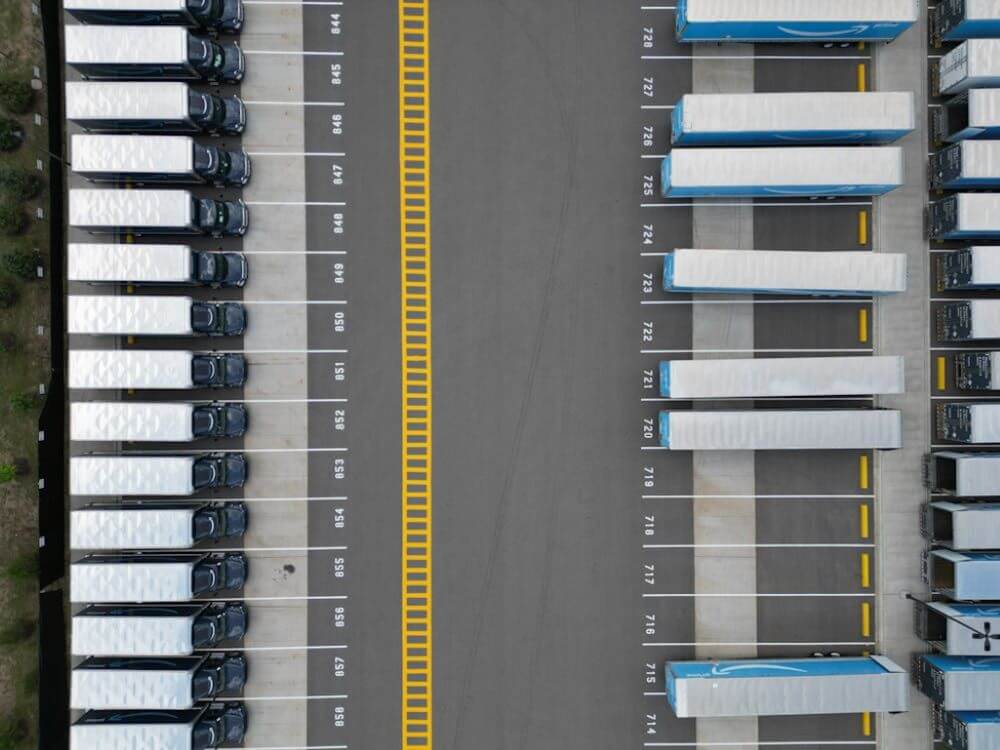
Most fleet managers treat maintenance as a cost.
Maintenance funding is the biggest mistake made. Maintenance is not a budget line item, it’s a risk management system. How parts are procured is where most operations fail.
A smarter approach to sourcing your remanufactured fuel pump and other critical components can:
- Slash unplanned downtime
- Cut your parts spend in half
- Keep your equipment running longer
You don’t need to overhaul your operation to see results.
Here is how to do it…
Inside this guide:
- Why Maintenance Is Really About Risk
- The True Cost of Unplanned Downtime
- Why Smarter Sourcing Beats Cheaper Sourcing
- How To Build A Resilient Sourcing Strategy
- The Remanufactured Fuel Pump Advantage
Why Maintenance Is Really About Risk
Equipment failure is not just an inconvenience.
It starts with one thing not working. That can mean idled job sites, missed delivery dates, melted margins on your month. Savvy operators view maintenance as they would insurance…
A planned spend that prevents a much bigger unplanned one.
Here’s what most teams get wrong. The largest controllable risk factor with maintenance isn’t your mechanics or schedule, it’s your parts supply. If your sourcing isn’t fast and dependable your entire maintenance plan falls apart when something fails.
The True Cost of Unplanned Downtime
Let’s talk numbers. Because the numbers are wild.
The average cost of single truck down is $448 – $760 per day, just one truck. Scale that across fleets of 20 or 50 and you have thousands of dollars lost each day a unit is down.
Things get even worse for industrial businesses. Senseye recently reported that one hour of downtime at a large automotive manufacturing facility equates to $2.3 million, or more than $600 per second.
But here’s the kicker…
The majority of this can be avoided. According to industry statistics nearly 78% of breakdowns are attributed to problems that should have been discovered beforehand. It’s not the failure that hurts. It’s the downtime waiting for the correct part to be delivered.
That’s a sourcing problem.
When you need a critical part like a fuel pump, you have two choices:
- Wait weeks for a new OEM unit at full price
- Get a high quality remanufactured unit fast, at a fraction of the cost
Most choose option one because they believe “new” is always best. That mindset loses them millions every year in productivity. If you operate heavy duty diesel machinery, you can purchase quality parts for Zexel injection pump systems from remanufacturers who keep inventory on hand for quick shipment, reducing your downtime from weeks to days.
That’s the difference between strategic and reactive sourcing.
Why Smarter Sourcing Beats Cheaper Sourcing
A lot of operations chase the cheapest price tag and call it strategy.
It’s not.
Cheap parts from unknown suppliers have higher failure rates, come with no warranties and end up costing more when you consider the labour involved to replace them. Intelligent sourcing procures the correct part from the correct supplier when it’s needed.
Think about it:
Say you purchased a cheap pump for $200. It dies after 3 months. Now you have spent:
- $200 for the failed part
- Another $200 for the replacement
- $400 in labour for two swaps
- Plus whatever the downtime cost you
That’s well over $1,000 for what looked like a “$200 saving.”
Now compare that to a quality remanufactured unit. Reman parts on average are 30 to 60 percent lower in cost than new and are rebuilt to OEM specifications. Essentially you receive the life of a new part for a huge discount.
How To Build A Resilient Sourcing Strategy
Creating a smarter sourcing operation isn’t hard. But it does challenge conventional thinking about parts and suppliers.
Here’s what works…
Lock In Trusted Suppliers Early
Don’t wait until something breaks to figure out where you’re buying parts.
Create a short list of 2-3 trusted suppliers for each broad component category. This means fuel injection systems, transmissions, engine components, etc. When something breaks, you know who to call already.
Stock The Critical Components
Some parts are too important to wait for.
If having a dedicated fuel pump makes the difference between a functional piece of equipment and a $700/day paperweight, stock one. Inventory in hand almost never costs more than delayed shipping.
Pick Remanufactured Where It Makes Sense
Not every part needs to be brand new.
Rebuilt parts typically perform better than “new” aftermarket parts as remanufactured components are built to OEM specifications from the original cores. McKinsey analysis found remanufacturing can lead to a 40-60 percent cost savings over new manufacture, with no sacrifice to product performance.
That’s a serious win for any operation managing tight margins.
Track Failures And Adjust
Log what fails, when it fails and which supplier it came from. After 6 months you will start to see trends:
- Which suppliers actually deliver quality
- Which components fail too often
- Where you can switch to remanufactured
That data becomes the foundation for an even smarter strategy.
The Remanufactured Fuel Pump Advantage
Fuel pumps are one of the highest-value components on diesel equipment.
A new OEM pump costs many thousands of dollars and lead times can be measured in weeks. Horrible when you’ve got a unit sitting around waiting on one little part. A remanufactured fuel pump fixes both issues.
Here’s why they work so well:
- They’re built back to OEM spec by specialists
- They cost a fraction of new
- They’re typically in stock and ready to ship
Remanufacturing is intense. The pump is disassembled completely, all parts inspected, worn parts replaced, and the entire assembly tested before shipping. When it gets there, it runs like new.
That’s not a downgrade. That’s a smart strategic substitute.
On older Bosch/Zexel or similar injection equipment a remanufactured fuel pump may be your only viable choice. There is little to no new OEM stock and a quality reman will allow that equipment to keep making money instead of rusting.
Final Thoughts
Maintenance is not a cost centre. It’s a risk control function.
Procurement determines if your maintenance program fuels your operation or starves it. Let’s review once more, but this time…
- Treat unplanned downtime as the real enemy
- Build relationships with reliable suppliers before you need them
- Stock the critical components that can shut down operations
- Lean on remanufactured parts where they make sense
- Track your failure data and adjust
The facilities that succeed over the long haul are not those with the latest equipment. They are those with the smartest sourcing strategies. Drive maintenance with a strategy and nail sourcing and you will see your downtime metrics plummet.
That’s how maintenance becomes a real competitive edge.
